
Wellness · August 1, 2026
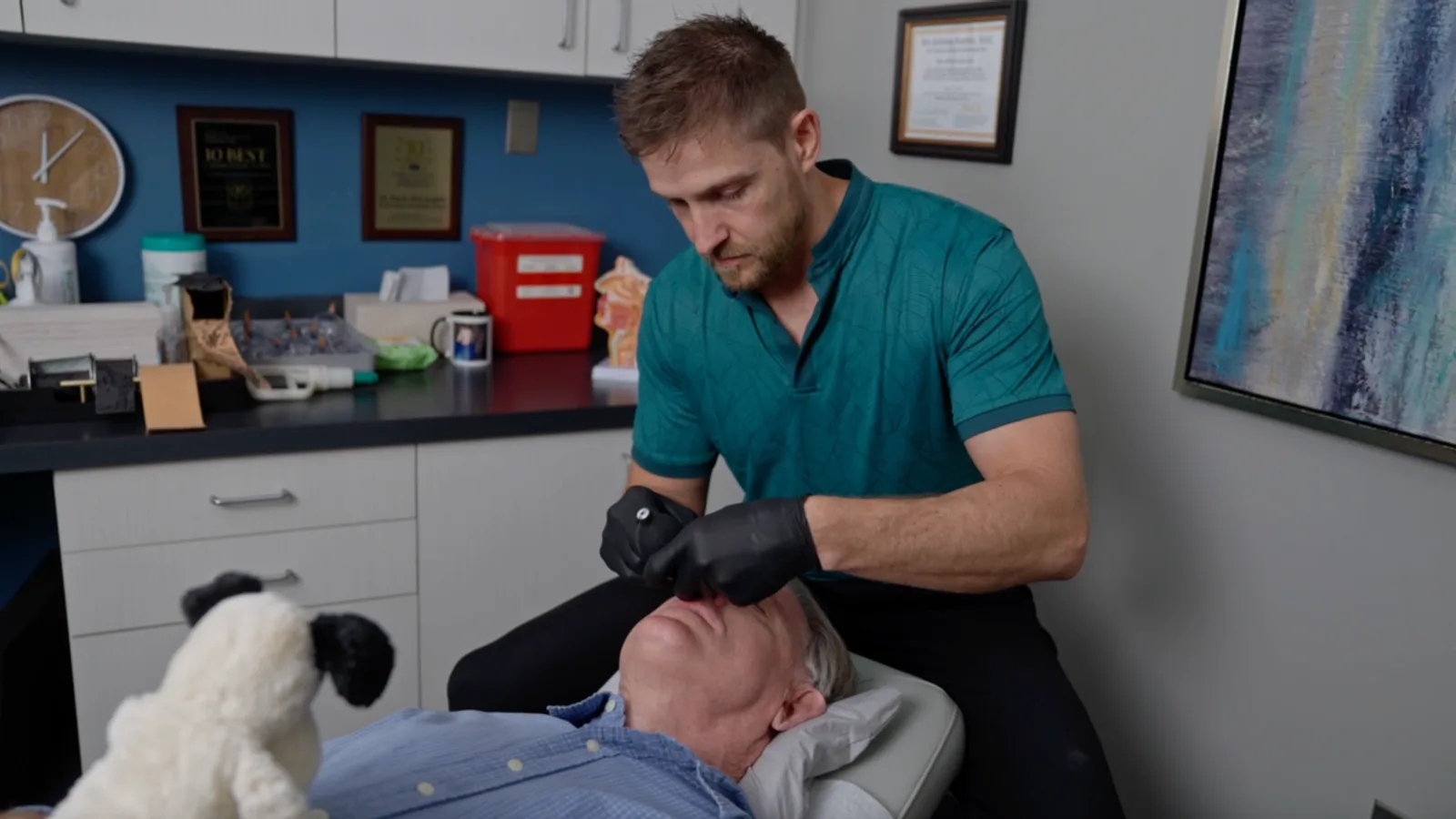
If you've never heard of cranial facial release, you're not alone. Most people come across this technique for the first time when they're searching for answers to symptoms they've been struggling with for years — things like chronic sinus congestion, recurring headaches, breathing difficulties, or even sleep disruption. Here in Durham, NC, patients at Complete Chiropractic Sports And Wellness often ask about this lesser-known but fascinating technique after trying other approaches without lasting relief. Dr. Kevin Mclaughlin is here to break it all down in plain language so you can make an informed decision about your health.
What Is Cranial Facial Release?
Cranial Facial Release (CFR) is a specialized endonasal balloon inflation technique used to gently mobilize the bones of the skull and face. It involves the brief, controlled inflation of a small balloon inside the nasal passages to create movement in the cranial bones. The goal is to improve airflow, restore mobility in the skull structure, and support the body's natural function — without surgery or medication.
How CFR Works: The Basics of Cranial Bone Movement
To understand cranial facial release, it helps to understand a bit about your skull. Most people picture the skull as one solid, fixed bone — but it's actually made up of 22 individual bones and 64 joints. These bones are joined together at sutures, which are fibrous joints that allow for a small but meaningful degree of movement. This movement is subtle, rhythmic, and important for overall function.
The sphenoid bone sits at the very center of the skull and connects with nearly every other cranial bone. When this central bone becomes restricted — due to trauma, birth stress, chronic tension, or other physical factors — it can affect everything from sinus drainage to jaw alignment and even posture. The sphenoid is often referred to as the "keystone" of the skull for this reason.
Cranial facial release targets the sphenoid through the nasal passages. A very small, finger-cot style balloon is inserted into one of the nasal turbinates and briefly inflated. This takes only a fraction of a second, but the quick expansion creates a gentle lateral force that mobilizes the bones of the face and cranium. Over a series of treatments, this can help restore normal mobility and improve the function of the surrounding structures.
It's worth noting that CFR is rooted in the tradition of Bilateral Nasal Specific (BNS) technique, developed decades ago and refined over time by practitioners working at the intersection of chiropractic care and craniopathy. Dr. Kevin Mclaughlin uses this approach as part of a broader, individualized care plan at Complete Chiropractic Sports And Wellness.
Conditions CFR May Help Address
Patients in Durham, NC seek cranial facial release for a wide variety of concerns. While chiropractic care — including CFR — is not a cure for any disease, many people find meaningful relief from long-standing issues when cranial mobility is restored. The conditions most commonly associated with CFR include chronic sinusitis and nasal congestion, recurring headaches and migraines, sleep-disordered breathing, and symptoms related to a deviated septum.
Sinus congestion is one of the most frequent reasons people explore CFR. When the nasal passages are chronically blocked, it's not always due to infection or allergies alone. Structural restrictions in the bones of the face can reduce the space available for air to flow freely. By restoring movement in those structures, CFR may help open the nasal passages in a way that medications or sprays simply cannot replicate.
Headaches are another area where CFR has shown promise. Tension and dysfunction in the cranial bones, particularly around the sphenoid and frontal bones, can contribute to chronic head pain. Research suggests that addressing mechanical restrictions in the skull and upper cervical spine can reduce headache frequency for some patients, especially when the headaches have a structural component.
Some patients also explore CFR for snoring and mild sleep apnea concerns, as restricted nasal airflow is a common contributor to these issues. Additionally, facial pain, post-concussion symptoms, and temporomandibular (TMJ) dysfunction, numerous neurological and endocrine conditions have all been brought to Dr. Kevin Mclaughlin's attention as motivating factors for patients seeking this technique.
What to Expect During a CFR Session
One of the most common questions people ask before their first appointment is, "What does cranial facial release actually feel like?" It's a fair question, and the honest answer is that it's brief, unusual, and less uncomfortable than most people fear.
A full course of CFR typically involves four treatment sessions spaced over a few days. Before any treatment begins, Dr. Kevin Mclaughlin will conduct a thorough health history and assessment to make sure CFR is appropriate for you. He'll explain the entire process in detail so there are no surprises.
During each session, a small balloon is gently inserted into one of the nasal turbinates — those shelf-like structures inside your nose — while you're lying on your back. The balloon is inflated for a very brief moment. Most patients describe feeling a quick pressure sensation and hearing a pop. Some people notice an immediate sense of opening in their sinuses or feel a clearing sensation. The process is repeated for each turbinate area over the course of the session.
After treatment, mild nasal congestion or a temporary runny nose is normal. Some patients feel a bit "floaty" for a short time afterward. These responses are typically short-lived. Many patients notice improvements in breathing and related symptoms immediately, though individual results vary depending on the severity and nature of the issue.
How Chiropractic Care and CFR Fit Together
At Complete Chiropractic Sports And Wellness in Durham, NC, cranial facial release doesn't exist in isolation. It's part of a comprehensive, conservative approach to health that considers the whole person — not just a single symptom or structure.
The relationship between the skull, the spine, and the nervous system is well-recognized in chiropractic philosophy. The skull houses the brain, the spine houses the spinal cord, and together they form the central nervous system — the body's master control system. When there is tension or restriction anywhere along this chain, the ripple effects can be widespread and sometimes surprising.
Chiropractic adjustments of the cervical (neck) spine are often performed alongside CFR because the upper cervical vertebrae and the base of the skull have a direct mechanical relationship. Addressing both areas together tends to produce more comprehensive, lasting results. Dr. Kevin Mclaughlin may also incorporate soft tissue work, postural retraining, or other supportive therapies depending on what each patient needs.
This integrated approach is what sets chiropractic care apart. Rather than masking symptoms with medications, the goal is to find and address the underlying structural factors contributing to your symptoms — and to help your body function the way it was designed to.
Practical Tips to Support Your Care
If you're considering cranial facial release or are already in care, there are several things you can do between visits to support your progress. Staying well-hydrated is one of the simplest and most effective ways to keep your sinuses functioning well. Dry nasal passages are more prone to congestion and irritation, so drinking enough water each day genuinely matters.
Nasal rinsing with a saline solution can also be a helpful addition to your routine, especially if you struggle with chronic sinus congestion. This keeps the nasal passages clear and reduces the burden of mucus buildup, allowing any structural improvements from CFR to be more noticeable.
Sleeping position matters more than most people realize. Sleeping on your back with a supportive pillow that keeps your cervical spine in a neutral position can help maintain the work done during your adjustments and CFR sessions. Avoid sleeping on your stomach, which places significant rotational stress on the neck and skull base.
Finally, be mindful of posture — particularly forward head posture, which is extremely common among people who work at desks or spend a lot of time on screens. Forward head posture increases tension through the neck, the base of the skull, and the surrounding tissues, which can counteract the improvements gained through treatment. The team at Complete Chiropractic Sports And Wellness can guide you on posture corrections that support your specific care plan.
When to See a Chiropractor About CFR
If you've been dealing with chronic sinus issues, recurring headaches, or breathing difficulties that haven't resolved with conventional approaches, cranial facial release may be worth exploring. In particular, CFR tends to be most relevant when symptoms have a structural component — meaning they're tied to how the bones and tissues of the skull and face are positioned and moving.
It's reasonable to consider scheduling a consultation with Dr. Kevin Mclaughlin at Complete Chiropractic Sports And Wellness if your sinus congestion or symptoms are persistent and not fully explained by allergy or infection, if you've been told you have a deviated septum and are experiencing related symptoms, or if your headaches seem to originate from the back of the head, behind the eyes, or around the sinuses. Sleep apnea, migraines, any sensory issues, facial pain, Bell’s palsy, seizures, and some neurological and even endocrine dysfunction have all responded favorably in cases as well.
There are also important red flags that warrant immediate medical attention rather than — or in addition to — chiropractic care. These include sudden severe headache that feels unlike any you've had before, vision changes, facial swelling with fever, signs of infection, or neurological symptoms like numbness or weakness. These situations call for urgent evaluation by a medical physician, and a good chiropractor will always refer you appropriately when needed.
CFR vs. Other Conservative Approaches
Approach | Method | Target Area | Invasive? | Common Use |
|---|---|---|---|---|
Cranial Facial Release (CFR) | Endonasal balloon inflation | Cranial bones, nasal passages, sphenoid | No | Sinus congestion, headaches, breathing issues |
Chiropractic Adjustment | Manual spinal manipulation | Spine, joints, nervous system | No | Back/neck pain, headaches, musculoskeletal dysfunction |
Saline Nasal Irrigation | Saline rinse through nasal passages | Nasal mucosa | No | Sinus congestion, allergies |
Nasal Steroid Spray | Topical anti-inflammatory medication | Nasal mucosa | No (medication-based) | Allergic rhinitis, nasal inflammation |
Endoscopic Sinus Surgery | Surgical removal/reshaping of nasal structures | Sinuses, nasal passages | Yes | Severe structural blockage, chronic sinusitis |
Myths vs. Facts About Cranial Facial Release
Myth: The skull bones are fused and can't move, so CFR can't do anything.
Fact: While cranial sutures do ossify more significantly with age, research and clinical observation suggest that some degree of mobility remains in the cranial bones throughout life. The sutures are fibrous joints, not solid fusions in most adults. CFR is designed to work within this existing range of motion, however subtle it may be.
Myth: Cranial facial release is painful and dangerous.
Fact: Most patients describe the sensation as brief pressure rather than sharp pain. The procedure takes only a fraction of a second per turbinate. When performed by a trained provider like Dr. Kevin Mclaughlin, CFR is considered a low-risk, conservative procedure. As with any healthcare intervention, a thorough intake and assessment is done beforehand to ensure it's appropriate for each individual.
Myth: CFR is only for adults with sinus problems.
Fact: While chronic sinus congestion is one of the most common reasons adults seek CFR, the technique has been used for a range of concerns including headaches, sleep-disordered breathing, TMJ dysfunction, and post-concussion recovery. The appropriateness of CFR for any individual depends on a case-by-case clinical assessment.
Myth: One session of CFR is enough to fix the problem.
Fact: CFR is typically delivered in a series of four sessions spaced over consecutive or nearby days. This is because the cranial bones respond to gradual, repeated mobilization — similar to how the spine responds to a series of adjustments rather than a single one. Some patients then benefit from periodic maintenance sessions depending on their ongoing needs.
Myth: CFR and chiropractic care are completely unrelated.
Fact: CFR fits naturally within the chiropractic philosophy of restoring mobility and function to the musculoskeletal and nervous system without drugs or surgery. Many chiropractors who are trained in craniopathy or endonasal techniques incorporate CFR alongside spinal adjustments for a more comprehensive approach to care.
Final Thoughts from Complete Chiropractic Sports And Wellness
Living with chronic sinus congestion, persistent headaches, or breathing difficulties can quietly chip away at your quality of life. You might have tried medications, sprays, allergy treatments, or even minor procedures — only to find that the relief is temporary or incomplete. That's a frustrating place to be, and you deserve to know that there may be other options worth exploring.
For the right patient, with the right clinical picture, CFR can be a meaningful piece of the puzzle and sometimes, a magical fix. Here in Durham, NC, Dr. Kevin Mclaughlin and the team at Complete Chiropractic Sports And Wellness take the time to truly understand what you're experiencing before recommending any course of care. Every plan is individualized, thoughtful, and rooted in a genuine desire to help you feel better and function at your best.
If you're curious about cranial facial release or want to understand whether it might be right for your situation, the best next step is simply to have a conversation. Come in, share what you've been going through, and let's explore your options together — no pressure, no commitments, just good honest guidance from a team that genuinely cares about this community.
Frequently Asked Questions About Cranial Facial Release
Is cranial facial release safe?
When performed by a trained practitioner, CFR is considered a safe, low-risk, non-invasive procedure. A thorough health history and clinical assessment is conducted before any treatment to identify any contraindications. Dr. Kevin Mclaughlin follows established protocols to ensure patient safety throughout the process.
How many CFR sessions will I need?
A standard course of CFR involves four sessions, typically spread over a short period of consecutive or nearby days. Some patients may benefit from additional maintenance sessions depending on the nature of their concerns. Your specific plan will be discussed during your initial consultation at Complete Chiropractic Sports And Wellness.
Does cranial facial release hurt?
Most patients describe the sensation as a brief pressure or fullness, similar to the feeling of diving into a pool. The inflation itself lasts only a fraction of a second. While the experience is unusual, the majority of patients find it much more tolerable than they anticipated.
Can CFR help with a deviated septum?
CFR may help improve nasal airflow and reduce some symptoms associated with a deviated septum by mobilizing surrounding cranial and facial bones. It is not a structural correction of the septum itself, but many patients notice improved breathing after treatment. Your provider can help determine whether CFR is a reasonable option given the specifics of your situation.
How is CFR different from a regular chiropractic adjustment?
A standard chiropractic adjustment addresses joints of the spine and extremities through manual manipulation. CFR specifically targets the cranial bones and facial structures through the nasal passages using a small balloon. At Complete Chiropractic Sports And Wellness, CFR is often used alongside spinal adjustments as part of a comprehensive care plan.
Who is not a good candidate for cranial facial release?
CFR may not be appropriate for individuals with certain nasal polyps, recent nasal surgery, active infections, or specific structural abnormalities of the nasal passages. This is why a full health history and assessment with Dr. Kevin Mclaughlin is conducted before any CFR treatment begins. Safety and appropriateness are always the first priority.
TL;DR — Key Takeaways
Cranial facial release (CFR) is a non-invasive technique that uses a small nasal balloon to gently mobilize the bones of the skull and face, particularly the sphenoid bone.
CFR may help with chronic sinus congestion, headaches, breathing difficulties, and related symptoms that have a structural component.
A standard course involves four sessions; the procedure is brief and most patients describe tolerable pressure rather than significant pain.
At Complete Chiropractic Sports And Wellness in Durham, NC, CFR is used as part of an individualized, whole-person care plan that may also include spinal adjustments and other supportive therapies.
Always consult with a qualified provider like Dr. Kevin Mclaughlin to determine whether CFR is appropriate for your specific health history and concerns.