
Wellness · August 15, 2026
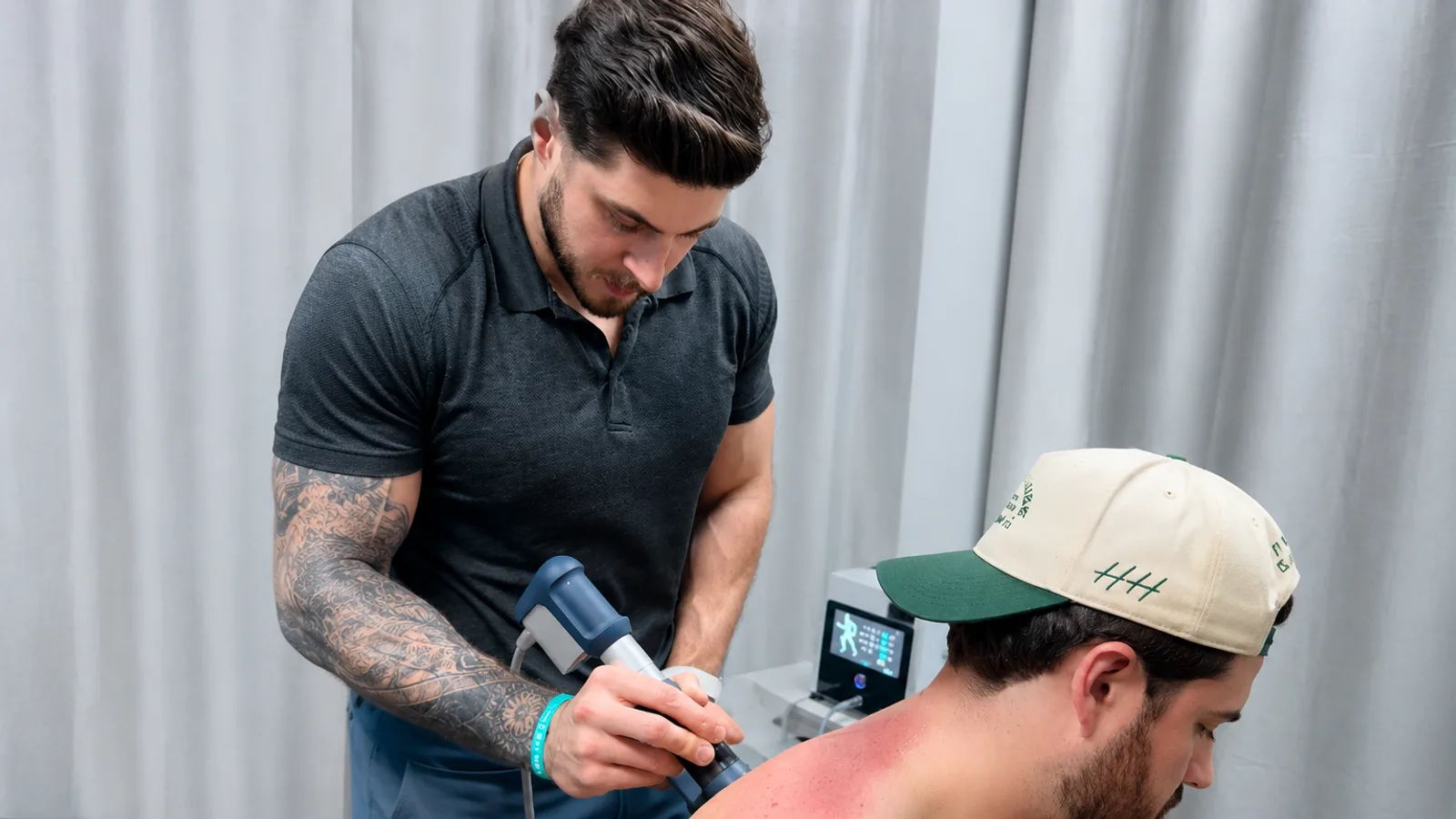
If you've been dealing with a stubborn tendon injury that just won't seem to heal, you're not alone. Here in Durham, NC, we see patients at Complete Chiropractic Sports And Wellness who have been struggling with chronic tendon pain for months — sometimes years — before they find lasting relief. The good news is that there are effective, non-surgical options available, and shockwave therapy is one that has been generating a lot of attention in sports medicine and chiropractic circles alike. Whether you're an athlete, a weekend warrior, or someone whose daily routine has been disrupted by tendon pain, this article will help you understand what shockwave therapy is, how it works, and whether it might be the right fit for your situation.
What Is Shockwave Therapy for Tendon Injuries?
Shockwave therapy — also called Extracorporeal Shock Wave Therapy (ESWT) — is a non-invasive treatment that uses acoustic energy waves to stimulate healing in damaged tissues, particularly tendons. It does not involve surgery, injections, or medication. Instead, a handheld device delivers focused sound waves to the affected area, encouraging the body's natural repair processes to kick in.
Common Tendon Injuries That Respond Well to Shockwave Therapy
Final Thoughts from Complete Chiropractic Sports And Wellness
What Is Shockwave Therapy and How Does It Work?
Shockwave therapy might sound intimidating, but it's actually a well-established, non-invasive treatment that has been used in clinical settings for decades. Originally developed to break up kidney stones, the technology was later adapted for musculoskeletal conditions — and for good reason. Tendons, it turns out, respond remarkably well to the mechanical stimulation that shockwave therapy provides.
Here's the basic idea: when a tendon is chronically injured or degenerating, the blood supply to that area is often limited. Tendons naturally have poor circulation compared to muscles, which is one of the main reasons tendon injuries can be so slow to heal on their own. Shockwave therapy works by delivering high-energy acoustic waves to the affected tissue, which triggers a cascade of biological responses. The body essentially "re-activates" its healing response as if the injury were fresh, promoting increased blood flow, cellular regeneration, and collagen production in the damaged tendon.
There are two main types of shockwave therapy you may encounter: focused shockwave therapy and radial shockwave therapy. Focused waves are directed more precisely and penetrate deeper into tissue, while radial waves spread out over a broader surface area. Dr. Kevin McLaughlin at Complete Chiropractic Sports And Wellness evaluates each patient individually to determine which approach, or combination of approaches, is most appropriate for their specific condition and goals.
Treatment sessions are typically brief — often lasting between 10 and 20 minutes — and most patients undergo a series of sessions spaced about a week apart. Some patients notice improvement within a few sessions, while others may take longer depending on the chronicity and severity of the injury. Mild discomfort during treatment is common, but most people tolerate it well.
Common Tendon Injuries That Respond Well to Shockwave Therapy
Tendons are the fibrous cords that connect your muscles to your bones, and when they're overloaded or repeatedly stressed, they can become painful and dysfunctional. This is especially common in active individuals here in Durham, NC, where running, cycling, recreational sports, and fitness training are very much a part of daily life. Tendon injuries — technically called tendinopathies — are among the most common musculoskeletal complaints seen at Complete Chiropractic Sports And Wellness.
Some of the most frequently treated conditions with shockwave therapy include plantar fasciitis (which involves the thick band of tissue along the bottom of the foot and its attachment point at the heel), Achilles tendinopathy, patellar tendinopathy (sometimes called "jumper's knee"), rotator cuff tendinopathy in the shoulder, lateral epicondylitis (commonly known as tennis elbow), and greater trochanteric pain syndrome affecting the hip. These are all conditions where conservative care has shown meaningful benefit, and shockwave therapy has become a valuable part of that conservative toolkit.
What these conditions share in common is that they often become chronic. An acute injury that doesn't heal properly — due to continued activity, poor biomechanics, or inadequate initial care — can transition into a state of ongoing degeneration rather than inflammation. This is called tendinosis rather than tendinitis, and it's important because it changes how we approach treatment. Shockwave therapy is particularly well-suited for this chronic degenerative state because it re-initiates a healing response in tissue that has essentially "stalled."
What Does the Evidence Say?
One of the most encouraging aspects of shockwave therapy is that it has a growing body of research to support its use. This isn't an experimental fringe treatment — it has been studied extensively in peer-reviewed settings, and the evidence is quite promising for specific tendon conditions.
Research published in reputable journals and reviewed by organizations like the National Institutes of Health (NIH) and covered in resources from the National Center for Complementary and Integrative Health (NCCIH) suggests that shockwave therapy can be effective for conditions like plantar fasciitis and calcific shoulder tendinopathy, particularly when other conservative treatments haven't produced sufficient results. The evidence for conditions like lateral epicondylitis and Achilles tendinopathy is also encouraging, though results can vary based on treatment parameters and patient characteristics.
It's worth being honest here: not every patient will respond the same way, and the evidence is stronger for some conditions than others. Shockwave therapy is not a guaranteed cure. What the research does consistently support is that it is a safe, non-invasive option that can help many patients avoid surgery, reduce pain, and restore function. That's meaningful, especially when the alternative might be a surgical procedure with a lengthy recovery timeline.
Dr. Kevin McLaughlin takes an evidence-informed approach to care at Complete Chiropractic Sports And Wellness, which means treatment decisions are guided by the best available research combined with clinical expertise and what you, as a patient, actually need and want from your care.
How Chiropractic Care and Shockwave Therapy Work Together
Here's something that doesn't always get discussed: tendon injuries rarely happen in isolation. More often, they're connected to underlying issues in movement patterns, joint mobility, muscle imbalances, and spinal or extremity alignment. That's where chiropractic care adds a layer of value that shockwave therapy alone cannot provide.
At Complete Chiropractic Sports And Wellness in Durham, NC, Dr. Kevin McLaughlin approaches tendon injuries with a comprehensive lens. When a patient comes in with Achilles tendinopathy, for example, the evaluation doesn't stop at the ankle. It includes looking at how the foot functions, how the ankle and knee move, and even how the hip and lower back might be contributing to altered load patterns on the Achilles tendon. Shockwave therapy helps stimulate healing in the tendon itself, while chiropractic adjustments, soft tissue techniques, and rehabilitative exercises address the root causes that may have contributed to the injury in the first place.
This integrated approach is one of the things that sets chiropractic-based sports care apart from single-modality treatments. The goal isn't just to eliminate your pain temporarily — it's to help you move better, function better, and reduce the risk of that injury coming back. For patients in Durham who lead active lives, that long-term perspective matters enormously.
Shockwave therapy sessions at the practice are typically incorporated into a broader treatment plan that may also include joint mobilization or manipulation, myofascial release, corrective exercise guidance, and education about load management during recovery. Every plan is individualized because no two patients — or two tendon injuries — are exactly alike.
Practical Tips for Tendon Injury Recovery
Whether you're currently undergoing shockwave therapy or simply trying to support your tendon health during recovery, there are several practical habits that can make a real difference. These tips align with what Dr. Kevin McLaughlin commonly discusses with patients at Complete Chiropractic Sports And Wellness.
First, load management is everything. Tendons need mechanical loading to heal and strengthen, but too much too soon leads to setbacks. Work with your provider to understand the appropriate level of activity during your recovery phase, and resist the urge to "push through" pain that is increasing rather than improving.
Second, prioritize sleep and nutrition. Tendons are largely made of collagen, and collagen synthesis depends on adequate protein intake and quality sleep. Vitamin C, in particular, plays a supportive role in collagen production. These aren't miracle cures, but they're the biological foundation your body needs to repair tissue effectively.
Third, avoid complete rest unless specifically advised. The old-school approach of complete immobilization is generally not recommended for tendinopathy anymore. Gentle, controlled movement helps maintain circulation and encourages healthy tissue remodeling. Your care team will help you find that balance.
When to See a Chiropractor for Tendon Pain
If you've been dealing with tendon pain anywhere from more than one week to six weeks without significant improvement, that's a reasonable signal that your body needs some help. Chronic tendon pain that has persisted despite rest, ice, and over-the-counter pain relief often indicates a more degenerative process that responds well to targeted care like shockwave therapy combined with chiropractic evaluation.
You should also consider seeking care if your tendon pain is affecting your ability to work, exercise, or perform daily activities. Pain that wakes you up at night, or that is significantly worsening over time, also warrants a professional evaluation. At Complete Chiropractic Sports And Wellness in Durham, NC, Dr. Kevin McLaughlin can assess the nature and severity of your tendon issue and help determine whether shockwave therapy is an appropriate part of your recovery plan.
There are also situations where chiropractic care and shockwave therapy would not be the appropriate first step. If you experience sudden, severe pain after a specific incident — especially with swelling, bruising, or an inability to bear weight — it's important to rule out a tendon rupture or fracture first. These are red flags that warrant prompt medical evaluation, and Dr. Kevin McLaughlin will always refer patients to the appropriate specialist when needed. Your safety is the first priority.
Condition | Common Location | Typical Contributing Factors | Shockwave Evidence Level |
|---|---|---|---|
Plantar Fasciitis | Heel / Bottom of Foot | Overuse, poor foot mechanics, tight calf muscles | Strong |
Achilles Tendinopathy | Back of Ankle | Running volume, calf weakness, footwear | Moderate to Strong |
Patellar Tendinopathy | Below the Kneecap | Jumping sports, quad imbalance, training load spikes | Moderate |
Lateral Epicondylitis | Outer Elbow | Repetitive gripping, racket sports, poor ergonomics | Moderate |
Rotator Cuff Tendinopathy | Shoulder | Overhead activity, posture, muscle imbalance | Moderate |
Greater Trochanteric Pain | Outer Hip | Hip weakness, running gait, prolonged sitting | Emerging |
Myths vs. Facts About Shockwave Therapy
Myth: Shockwave Therapy Is Painful and Dangerous
Fact: While some patients feel mild discomfort during treatment — particularly over very tender areas — shockwave therapy is generally well-tolerated and considered safe when administered by a trained provider. Serious side effects are uncommon. The discomfort, when present, is typically brief and subsides after the session.
Myth: You Should Only Consider Shockwave Therapy If Surgery Has Already Failed
Fact: Shockwave therapy is actually recommended as a conservative option before considering surgery for many chronic tendon conditions. Clinical guidelines from various musculoskeletal organizations suggest it be tried as part of conservative care well before surgical intervention is explored. It is not a last resort — it's a legitimate first-line or early-stage treatment option.
Myth: Rest Is the Best Treatment for Tendon Injuries
Fact: Complete rest can actually slow tendon healing and lead to further tissue degeneration. Tendons need appropriate mechanical loading to stimulate collagen remodeling and restore strength. The current evidence in sports medicine and rehabilitation strongly supports active, guided recovery over passive, prolonged rest.
Myth: Shockwave Therapy Works Immediately
Fact: Most patients require multiple sessions before noticing meaningful improvement, and the full benefit of treatment may not be apparent until several weeks after the course of care is complete. Healing is a biological process that takes time, and shockwave therapy works by supporting that process — not bypassing it.
Myth: Shockwave Therapy Is Only for Athletes
Fact: While shockwave therapy is popular in sports medicine, it's appropriate for anyone dealing with chronic tendon pain — regardless of fitness level or activity level. Office workers, retirees, and anyone whose daily life is affected by tendon issues can be good candidates for this type of care.
Final Thoughts from Complete Chiropractic Sports And Wellness
Tendon injuries can be genuinely frustrating. They don't always respond quickly to rest, they can linger far longer than expected, and the idea of surgery can feel daunting. If you've been in that place — wondering whether you'll ever feel like yourself again — we want you to know that there are real, effective options available to you here in Durham, NC.
At Complete Chiropractic Sports And Wellness, Dr. Kevin McLaughlin is committed to helping patients find lasting relief through evidence-informed, non-invasive care. Shockwave therapy is one of the powerful tools in our practice, and when it's combined with a thorough chiropractic evaluation and personalized treatment plan, the results can be genuinely life-changing for those who are good candidates.
You don't have to keep living with tendon pain, and you don't have to jump straight to surgery to find relief. We encourage you to reach out to our team at Complete Chiropractic Sports And Wellness and take that first step toward understanding what your body needs to heal. The Durham community deserves access to thoughtful, compassionate care — and that's exactly what we're here to provide.
Frequently Asked Questions
How many shockwave therapy sessions will I need for a tendon injury?
Most treatment protocols involve three to six sessions, spaced approximately one week apart. The exact number depends on the specific condition, its severity, and how your body responds to treatment. Dr. Kevin McLaughlin will reassess your progress regularly and adjust the plan as needed.
Is shockwave therapy covered by insurance?
Coverage for shockwave therapy varies widely by insurance provider and plan. It is best to contact your insurance carrier directly to inquire about your specific benefits. Our team at Complete Chiropractic Sports And Wellness can help guide you through the process.
Can shockwave therapy make a tendon injury worse?
When performed by a trained provider on an appropriate candidate, shockwave therapy is considered safe. A temporary increase in soreness after a session is normal and usually settles within a day or two. A thorough evaluation beforehand ensures the treatment is appropriate for your condition.
How do I know if my tendon pain is a tendinitis or tendinosis?
Tendinitis typically refers to acute inflammation in a tendon, while tendinosis describes a more chronic degenerative process without significant inflammation. The distinction matters because it affects treatment approach. Dr. Kevin McLaughlin can evaluate your condition and help clarify the nature of your injury through a clinical assessment.
Can I continue exercising while receiving shockwave therapy?
In many cases, modified activity is encouraged rather than complete rest. The type and volume of exercise that is appropriate during treatment will depend on your specific condition and how you're responding to care. Your provider will give you guidance tailored to your situation.
How long does it take to see results from shockwave therapy?
Some patients notice improvement after the first few sessions, while others may not experience significant relief until several weeks after completing their treatment course. Because shockwave therapy stimulates biological healing processes, results develop gradually over time rather than immediately.
TL;DR Summary
Shockwave therapy (ESWT) is a non-invasive treatment that uses acoustic waves to stimulate healing in chronically injured tendons, making it a viable alternative to surgery for many patients.
Common tendon conditions treated with shockwave therapy include plantar fasciitis, Achilles tendinopathy, tennis elbow, patellar tendinopathy, and rotator cuff issues — all frequently seen at Complete Chiropractic Sports And Wellness in Durham, NC.
Research suggests shockwave therapy is effective for several tendon conditions, particularly when used as part of a broader conservative care plan rather than as a standalone treatment.
Dr. Kevin McLaughlin integrates shockwave therapy with chiropractic evaluation and individualized care to address not just the tendon itself, but the movement patterns and biomechanical factors contributing to the injury.
If you've had tendon pain for more than four to six weeks without improvement, or if pain is limiting your daily activities, it's a good time to seek a professional evaluation before considering surgical options.